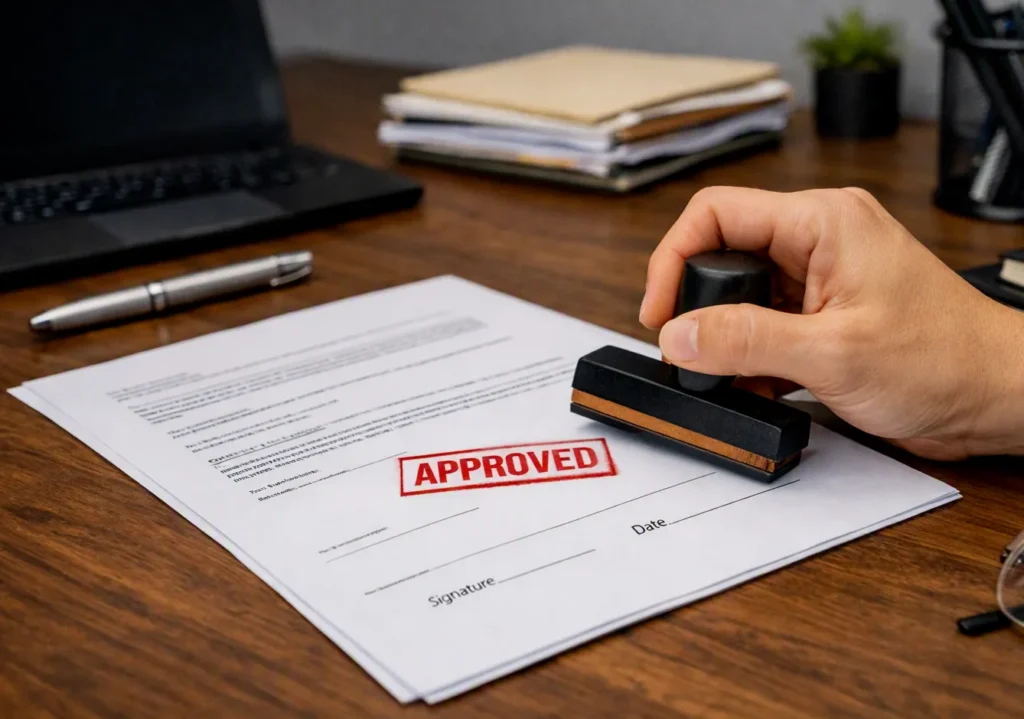

As the year ends, small business owners in Seattle benefit from reviewing their financial records. Reconciled bookkeeping helps provide a clear understanding of your business’s financial health, supports accurate reporting, and simplifies tax preparation. Having well-organized books helps prevent errors, reduces stress during tax season, and gives a clear picture of overall performance. Clean, up-to-date records also make planning for growth easier and ensure your finances are fully organized for the year ahead.
Why Year-End Bookkeeping Matters
Maintaining accurate records at year-end offers multiple benefits for small businesses.
Prevent Tax Issues
Accurate records make tax preparation smoother. Reconciled bookkeeping ensures every transaction is accounted for, helping prevent errors and missed tax benefits. Proper documentation also helps your business stay compliant with federal, state, and local regulations.
Support Smart Decision-Making
Clean books give a clear view of your cash flow, profitability, and expenses. This information helps guide decisions about investments, budgeting, and growth strategies. Well-maintained records make it easier to identify which products or services are most profitable and to plan ways to improve performance.
Detect Errors Early
Year-end reconciliation highlights mistakes like duplicate entries, missing transactions, or misclassified expenses. Catching these issues early reduces financial risk and prevents surprises during audits, tax filing, or investor reviews.
Simplify Reporting
Maintaining accurate books guarantees dependable financial statements, from P&L reports to balance sheets and cash flow records. Clear records make monitoring performance, presenting information to stakeholders, and applying for financing much easier.
Steps to Reconcile Your Books Before Year-End
A structured approach to reconciliation ensures your records are complete, accurate, and reflect reconciled bookkeeping practices.
Gather Financial Records
Collect bank statements, credit card statements, invoices, and receipts. Keeping records organized by date or account type makes bookkeeping more efficient and minimizes errors.
Compare Statements
Match transactions in your bookkeeping system with your bank and credit card statements. Confirm that deposits, withdrawals, and fees are recorded correctly to reflect actual financial activity.
Verify Income and Expenses
Review every income and expense entry for accuracy. Ensure all receipts and invoices are organized and documented properly. Complete records make reconciliation easier and support accurate reporting.
Correct Errors
Fix mistakes such as duplicate entries, missing transactions, or misclassified amounts. Addressing errors now prevents confusion during tax season and provides a clear view of your financial health.
Review Outstanding Transactions
Check for uncashed checks, unpaid invoices, or pending deposits. Accounting for these items keeps cash flow records accurate and helps you follow up promptly with clients or vendors.
Prepare Financial Reports
Generate year-end reports, such as profit and loss statements, balance sheets, and cash flow summaries. Reviewing these reports provides insight into business performance and prepares you for taxes, audits, or strategic planning for the new year.
Tips for Maintaining Accurate Books in the New Year
Once your books are reconciled, taking steps to keep them organized throughout the year helps prevent errors and simplifies year-end reporting.
Schedule Regular Reconciliation
Reconcile accounts monthly to catch mistakes early and maintain accurate records. Consistent reconciliation prevents backlogs and makes year-end closing much easier.
Keep Receipts and Documentation Organized
Maintain a system for storing invoices, receipts, and other financial documents. Organized records make reporting simpler, support deductions, and improve efficiency for bookkeeping or tax preparation.
Use Accounting Software
Reliable accounting software helps track income, expenses, and transactions consistently. It speeds up reconciliation, reduces mistakes, and provides real-time visibility into your finances.
Monitor Payroll and Expenses
Even if payroll is handled separately, make sure all payroll entries are accurately recorded in your books. Proper integration of payroll and bookkeeping keeps your records fully reconciled and prevents discrepancies.
Consider Professional Support
Professional guidance can help ensure your books remain accurate and fully reconciled. Experts can assist with identifying errors, maintaining clean records, and supporting reliable reporting throughout the year. This allows you to focus on growing your business with confidence.
Related Articles:
- How Reconciled Bookkeeping Drives Small Business Financial Success
- Why Wrap Up Year-End Finances with Expert Seattle Bookkeeping Help
Enter the New Year with Confidence
Reconciled bookkeeping this fall ensures your Seattle small business enters the new year with clarity and control. It simplifies tax preparation, provides reliable reports, and supports informed business decisions.
For professional guidance, Chief Financial Partners offers comprehensive bookkeeping and financial services to keep your records accurate and organized. Our expert team ensures your books are fully reconciled and ready for year-end reporting, giving you peace of mind and more time to focus on growth.
Take charge of your finances today with expert reconciled bookkeeping and start the new year with confidence. Contact us!